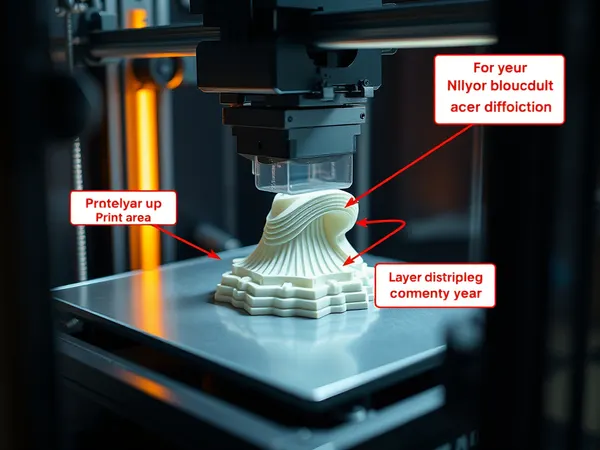
With the advent of 3D printing, the world of manufacturing and prototyping has undergone a remarkable transformation. This innovative technology has spurred the development of various materials, each with its own unique properties and applications. One such material that has gained significant attention and relevance in the 3D printing arena is nylon. In this article, we will delve into the fascinating journey of nylon, its key characteristics, and the myriad of applications it offers in the realm of 3D printing.
Understanding Nylon: Nylon, commonly known as polyamide, is a strong, lightweight, and versatile thermoplastic material that has garnered popularity in various industries due to its exceptional properties. In the realm of 3D printing, nylon offers numerous advantages that make it an attractive choice for creating functional and durable parts.
Properties of Nylon in 3D Printing:
-
Strength and Durability: Nylon possesses excellent mechanical properties, including high tensile strength and toughness. Its ability to withstand impact and resist wear makes it ideal for applications requiring sturdy and long-lasting components. The material’s natural flexibility also allows for slight bending and deformation without causing breakage.
-
Chemical Resistance: Nylon exhibits superior resistance to chemicals, including solvents, oils, and fuels. This property affords nylon-based 3D printed parts more extensive use in industries such as automotive, aerospace, and electronics, where exposure to various chemicals is common.
-
Heat Resistance: Nylon is known for its ability to withstand high temperatures, making it suitable for applications requiring thermal stability. 3D printed nylon objects can handle elevated temperatures without warping, deforming, or losing their structural integrity, enabling them to perform under demanding conditions.
-
Lightweight: Nylon’s low density makes it an excellent choice for applications that demand lightweight components without compromising on strength. This property is particularly advantageous in industries such as automotive and aerospace, where weight reduction is crucial for fuel efficiency and optimal performance.
Applications of Nylon in 3D Printing:
-
Prototyping: Nylon is extensively used in 3D printing for creating prototypes of functional parts. Due to its strong mechanical properties, versatility, and cost-effectiveness, nylon prototypes closely mimic the final products, allowing for thorough testing and validation.
-
End-Use Parts: Nylon finds applications in creating end-use parts for various industries like manufacturing, consumer goods, and healthcare. Its ability to withstand stress, temperature changes, and chemical exposure makes it an exceptional choice for producing functional components like gears, brackets, casings, and prosthetics.
-
Design Freedom: With 3D printing technology, designers can leverage nylon’s flexibility to create intricate and complex geometries that were previously challenging to achieve. Nylon’s capacity to conform to intricate designs and thin walls facilitates the production of lightweight parts without sacrificing structural integrity.
-
Fashion and Jewelry: Nylon’s versatility extends to the design world, where it is widely adopted for creating fashion accessories, intricate jewelry, and artistic sculptures. The material’s unique combination of strength, flexibility, and aesthetic appeal opens up a realm of possibilities for creative expression.
Conclusion: Nylon’s rise in the domain of 3D printing represents a significant milestone in the evolution of additive manufacturing. Its exceptional properties, including strength, durability, chemical resistance, heat resistance, and lightweight nature, make it a valuable material for a wide range of applications. As researchers and innovators continuously refine 3D printing techniques, nylon is poised to play an increasingly vital role in shaping the future of manufacturing, from prototyping to end-use parts, and even making its mark in the world of design and fashion.