3D printing has revolutionized various industries, enabling the creation of complex and intricate designs with ease. As the technology has evolved, so too has the range of materials that can be used. One such material, Nylon, has gained popularity for its durability and versatility. However, like any material, Nylon has its fair share of challenges when it comes to 3D printing, which can lead to frustrating printing issues. In this article, we will explore the common problems encountered when printing with Nylon and discuss potential solutions.
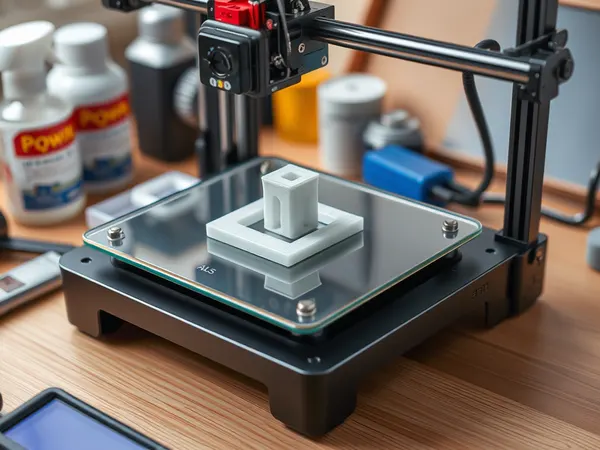
One of the primary issues with printing Nylon is its susceptibility to warping. Nylon, being a thermoplastic material, tends to undergo significant shrinkage as it cools down after extrusion. This shrinkage can cause the printed object to warp, resulting in a distorted or even unusable final product. To mitigate warping, properly preparing the print bed is crucial. Applying a heated bed or using adhesive materials like glue sticks, hairspray, or specialized build surfaces can help increase adhesion between the print and the bed, reducing the likelihood of warping.
Another challenge associated with Nylon is its high printing temperature requirement. Compared to other commonly used 3D printing materials like PLA or ABS, Nylon necessitates higher extrusion temperatures. Operating at elevated temperatures can potentially lead to issues such as nozzle clogs or filament degradation. Maintaining an uninterrupted flow of Nylon requires consistent and adequate heating throughout the printing process. Regular cleaning and preventative maintenance of the extruder are essential to prevent clogs. Additionally, using a high-quality filament made specifically for 3D printing can ensure proper extrusion and minimize the risk of degradation.
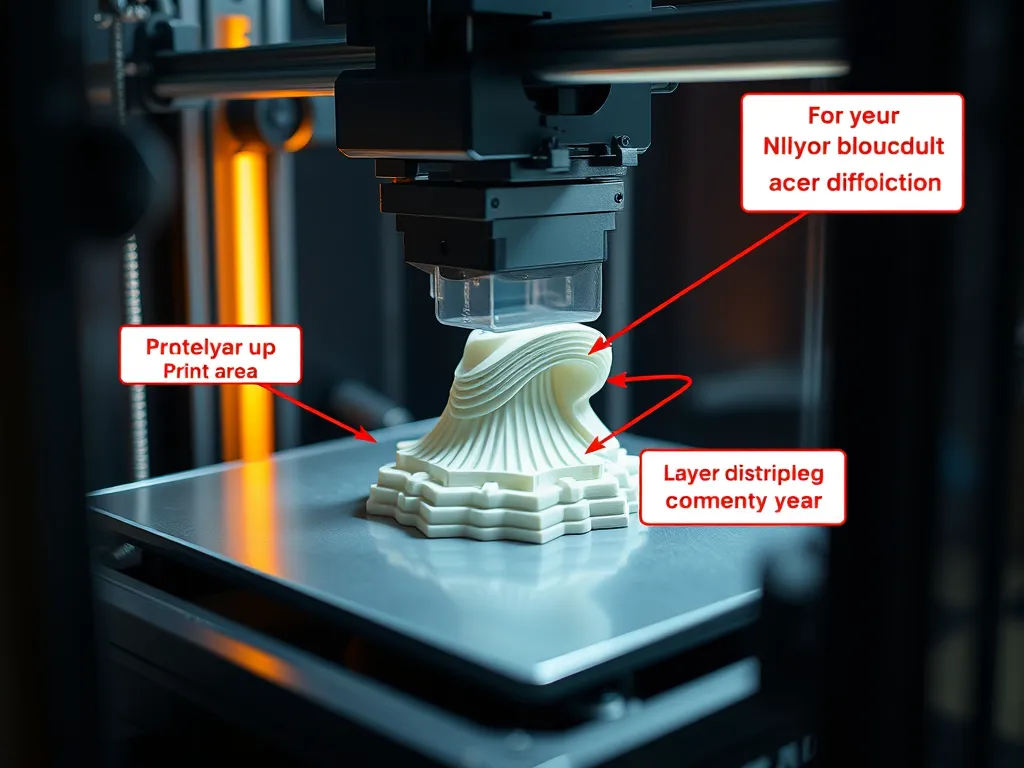
Layer adhesion is also a critical concern when printing with Nylon. Due to its high cooling rate, Nylon can develop weak layer bonds, resulting in delamination or splitting between layers. To enhance layer adhesion, adjusting the printing parameters such as increasing the bed temperature or slowing down the print speed can be beneficial. Another technique is to increase the number of perimeters or use thicker infill layers. These measures can promote better adhesion between layers and strengthen the overall structure of the printed object.
Moisture absorption is yet another issue associated with Nylon. As a hygroscopic material, Nylon has a tendency to absorb moisture from the surrounding environment. When exposed to moisture, Nylon can undergo hydrolysis, leading to poor print quality and weakened mechanical properties. To combat this issue, proper storage and handling of Nylon filament are essential. Storing the filament in a sealed container with desiccant or using a filament dryer before printing can help eliminate moisture and ensure optimal print results.
Additionally, printing with Nylon may require some modifications to the printer hardware and settings. Nylon’s high printing temperature can put strain on the printer components, particularly the extruder and hotend. Reinforcing the printer’s hotend or upgrading to a more robust extruder can help handle the higher temperatures more effectively. It is also crucial to ensure appropriate cooling and ventilation to prevent filament overheating or softening before it reaches the nozzle.
Furthermore, post-processing Nylon prints can be challenging. The material has a tendency to be stringy and exhibit oozing or stringing between printed parts or features. Optimizing retraction settings and nozzle temperature can significantly reduce stringing. Additionally, post-print finishing techniques such as sanding or using chemical smoothing agents can help achieve a smoother and more refined surface finish.
In conclusion, while Nylon offers numerous advantages for 3D printing, it does come with its fair share of challenges. Warping, high printing temperature, layer adhesion, moisture absorption, and post-processing issues can pose obstacles when working with Nylon. However, with proper preparation, printer tweaking, and procedural adjustments, many of these problems can be overcome. As the 3D printing industry continues to evolve, it is likely that future advancements and innovations will further enhance the printability of Nylon, making it an even more favorable material for additive manufacturing.
Many of the same bed adhesion fixes apply to ABS; see bed adhesion issues in ABS prints. Nylon is not in our instant quote at the moment, but if your part can be made in PLA, our online 3D printing service will print it for you.