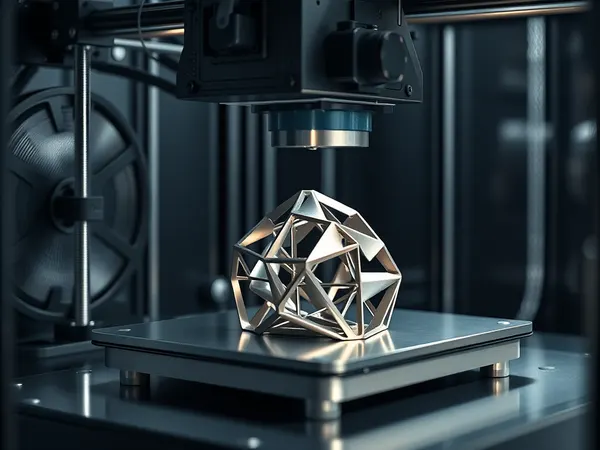
Printing technology has come a long way over the years and with advancements in additive manufacturing, the three major technologies for 3D printing have emerged- FDM (Fused Deposition Modeling), SLA (Stereolithography), and DLP (Digital Light Processing). Though each technology has its own set of advantages and disadvantages, FDM is known to have more advantages over resin-based 3D printing such as SLA and DLP.
FDM printing technology uses a spool of filament which is melted and extruded layer by layer to create an object. Resin-based printing technologies, on the other hand, use liquid resin material that is cured layer by layer to produce a 3D model. Here are some reasons why FDM printing is better than resin-based printing:
- Cost-effective
FDM 3D printers are significantly less expensive than SLA or DLP printers. The cost of the machine, the cost of the consumables (filament), and the maintenance cost are all relatively low. Resin-based 3D printing can be quite expensive because of the high cost of the machine, the resin material, and the specialized equipment required for post-processing.
- Material availability
Filament materials used for FDM printing are widely available in the market and come in a variety of colors and types- ranging from basic PLA and ABS to exotic filaments like wood, metal, and flexible materials. This makes it easy for manufacturers to experiment with different materials to obtain the desired properties for their application. Resin material availability is limited, which restricts the choice of materials for printing.
- High-speed printing
FDM printers have a faster printing speed compared to resin-based printing technologies. This is because the filament material can be extruded at a much quicker rate than the resin can be cured. In addition, FDM printing can print multiple models in one go as long as there is enough space on the print bed. On the other hand, resin-based printing requires post-curing which can take hours, further slowing down the process.
- Post-processing
Post-processing is less complicated with FDM. Printed parts can easily be sanded or smoothed with acetone vapor. With resin-based printing, post-processing is more complex and time-consuming. Printed parts need to be washed with alcohol and then cured under UV light, which can damage details and cause warping.
- Safety
FDM printing does not use any hazardous chemicals and is therefore safer to operate. Resin-based printing materials are toxic and can cause health hazards if not handled properly. Additionally, the process of creating the 3D model using resin-based printing produces fumes that require ventilation and protection from users.
Conclusion
FDM printing technology has many advantages over resin-based printing, including cost-effectiveness, material availability, higher printing speed, easier post-processing, and safety. While resin-based printing may offer better resolution and smoothness for certain applications, the advantages of FDM printing make it a better choice for most applications.
We print both ways: PLA on FDM printers through our online 3D printing service for larger and tougher parts, and resin 3D printing for small, finely detailed pieces.