PLA is the most popular 3D printing filament, and because it is made from plant starch it is often assumed to be safe to use with food. The truth is more careful than that. There is food-safe PLA, and it is a genuine step forward, but whether a printed object is safe to use with food depends on more than the filament on the spool.
This article explains what food-safe PLA is, what else decides whether a print is safe for food, what it is sensible to make, and where PLA stands on sustainability.
What PLA is
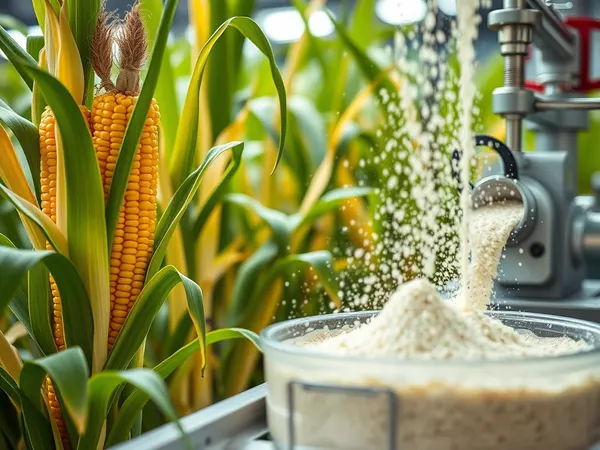
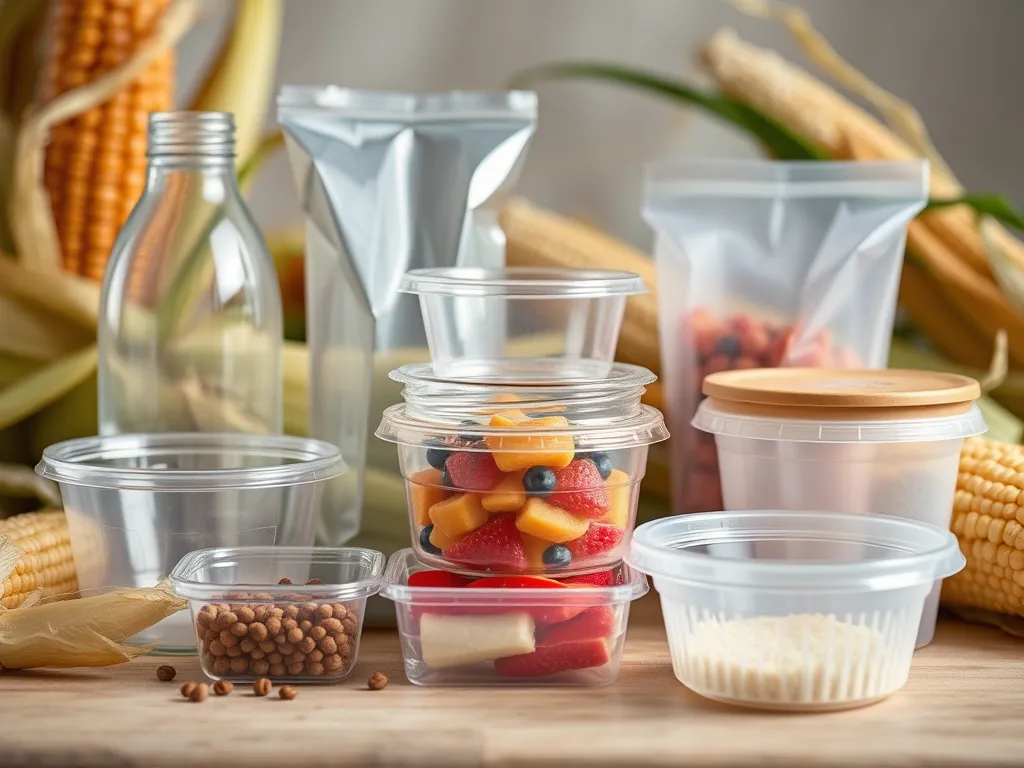
PLA (polylactic acid) is a thermoplastic made from renewable resources such as corn starch or sugar cane. The starch is turned into sugar, fermented into lactic acid, and then polymerised into plastic. Our article on how PLA is made goes through the process step by step. PLA is used well beyond 3D printing, in food packaging, disposable cups and cutlery.
What makes PLA “food-safe”
Plain PLA polymer is widely used in food packaging. The uncertainty in 3D printing filament comes from everything else in it: colourants, additives, and processing aids that are not listed on the spool.
Food-safe PLA filament is made from raw materials and colourants that the manufacturer has checked against food-contact rules, such as those of the US Food and Drug Administration (FDA) or European food-contact regulations. A reputable manufacturer will provide documentation saying which rules the filament complies with. If the manufacturer cannot show you that, treat the filament as not food-safe, whatever the label says.
Why a food-safe filament does not guarantee a food-safe print
The filament is only the start. Several other things decide whether the finished object is safe.
The printer
The filament passes through the printer’s extruder and a hot nozzle. Many nozzles are brass, and some brass contains small amounts of lead. A printer that has printed other materials may also carry residue from them. Food-contact printing is usually done with a stainless steel nozzle and a clean filament path.
Layer lines
Every FDM print is built from layers, and the tiny grooves between them are ideal places for food and bacteria to lodge. They are hard to clean properly. This is the biggest practical limit on printed food-contact items, and it is why they are best used once, or for short, dry contact.
Heat
PLA softens at fairly low temperatures. It is not suitable for hot drinks, hot food or the dishwasher, which can warp the part and make the layer lines worse. Washing in hot water has the same problem.
Coatings
Sealing a print with a food-contact rated coating, such as a suitable epoxy, fills the layer lines and gives a smooth, washable surface. Follow the coating manufacturer’s instructions for curing and food use.
Sensible uses for food-safe PLA
With those limits in mind, food-safe PLA is well suited to items with brief, dry or cool contact:
- Cookie and biscuit cutters. Short contact with dough, and easy to replace.
- Cake toppers and decorations that sit on the cake briefly.
- Stencils for icing sugar, cocoa and coffee art.
- Chocolate and fondant moulds for occasional use.
- Dry-goods scoops and measures, washed gently in lukewarm water.
Less suitable: cups, bottles, cutting boards, anything that holds liquid for long periods, anything used hot, and anything that goes in the dishwasher.
Food-safe PLA and sustainability
PLA’s other selling point is where it comes from. Because it is made from plants rather than oil, it depends less on fossil fuels, and making it generally takes less energy than making many conventional plastics.
Two claims need care:
- “Biodegradable.” PLA does break down, but mainly in industrial composting facilities with controlled heat and moisture. In a backyard compost bin or in landfill it lasts for years. Colourants and additives can slow it further.
- Recycling. PLA is not collected in most kerbside recycling, and it needs a separate stream from other plastics. In practice, most PLA waste still goes to landfill.
So PLA is a better starting point than many plastics, but the most sustainable part is still one that is designed well, printed once and used for a long time.
Printing food-contact parts with us
PLA Foodsafe is not in our instant quote at the moment. If you are working on a food-related part, email quotes@3dprinting.zone and ask. For decorative and non-food parts, you can upload your model to our online 3D printing service and see the price in seconds.