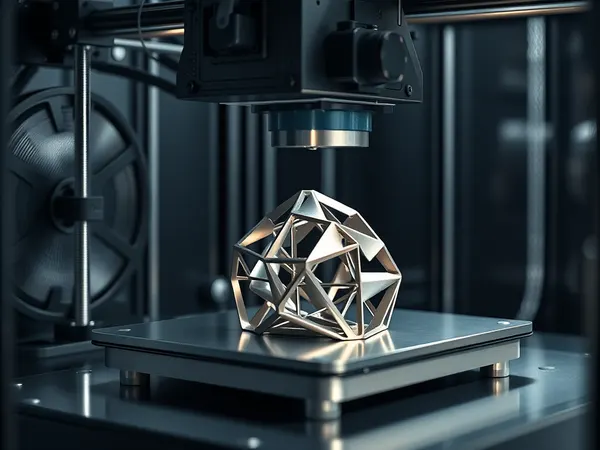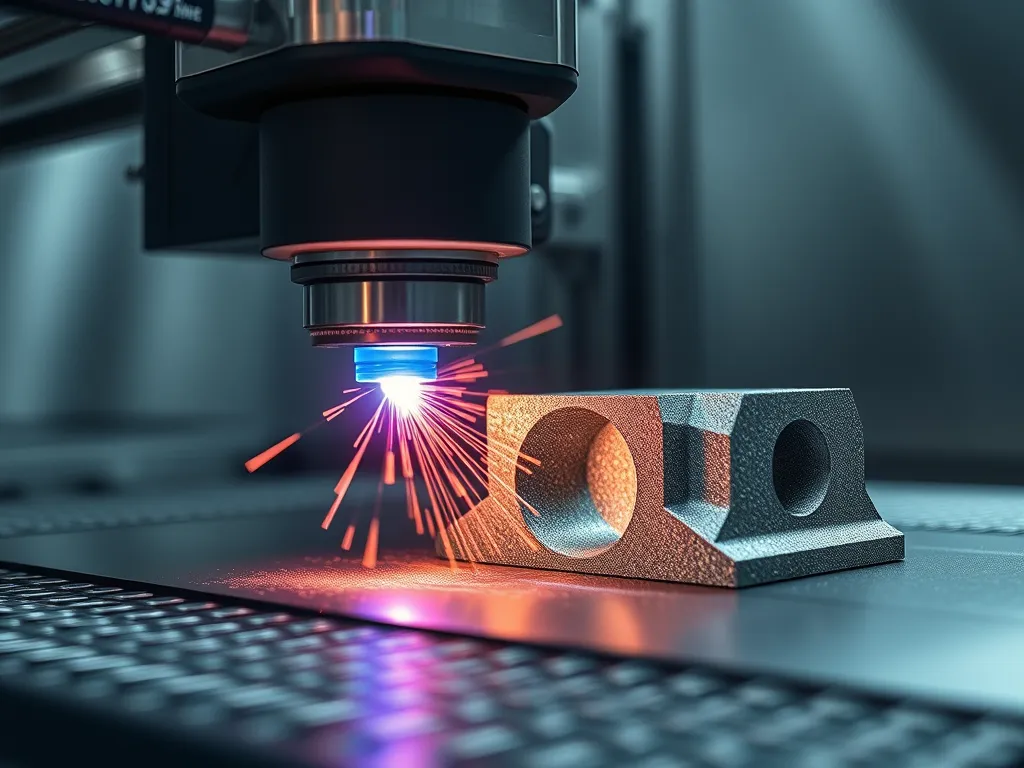
Metal 3D printing, also known as additive manufacturing (AM), is a revolutionary technology that has transformed the manufacturing industry. This cutting-edge process enables the creation of intricate and complex metal components with unparalleled precision and efficiency. Unlike traditional subtractive manufacturing techniques, which rely on removing material from a solid block, 3D printing allows the fabrication of complex geometries by building up layer by layer.
One of the key advantages of metal 3D printing is its ability to produce parts with exceptional strength and durability. The ability to manipulate metal powders and alloys layer by layer allows for greater control over the microstructure of the final product. This control translates into improved mechanical properties, such as tensile strength, hardness, and fatigue resistance. As a result, metal 3D printed parts can withstand demanding applications that require high-performance materials.
Another significant advantage of metal 3D printing is the design freedom it offers. Traditional manufacturing techniques often limit the complexity of parts due to the constraints of machining or tooling. Metal 3D printing eliminates these limitations, enabling the production of highly intricate and customized components. This design freedom allows engineers and designers to optimize their products for specific applications by incorporating features such as internal channels, lattice structures, or lightweight designs that were previously constrained by traditional manufacturing methods.
Metal 3D printing also contributes to reducing material waste. Traditional manufacturing methods typically generate significant scrap material due to the subtractive nature of the process. In contrast, 3D printing only uses the exact amount of material required to build the desired part, reducing waste by up to 90%. Furthermore, this technology promotes the use of sustainable materials, such as recycled metal powders, which further minimizes the environmental impact.
One of the most common metal 3D printing technologies is selective laser melting (SLM) or direct metal laser sintering (DMLS). In this process, a high-powered laser selectively melts or sinters a layer of metal powder, according to a 3D computer-aided design (CAD) model. Once a layer is complete, the build plate descends, and a new layer of powder is spread on top. The process is repeated until the entire part is formed. This layer-by-layer construction method enables the fabrication of complex geometries without the need for specialized tooling or intricate assembly.
The materials used in metal 3D printing are diverse and continuously expanding. Common metals used for 3D printing include titanium, aluminum, stainless steel, and nickel-based alloys. These materials offer excellent mechanical properties and are widely used in various industries, such as aerospace, automotive, healthcare, and defense. With ongoing research and development, the range of printable metals is expanding to include refractory metals like tungsten and tantalum, as well as exotic alloys with unique properties.
Metal 3D printing has already made a significant impact in several industries. In the aerospace sector, the technology has been instrumental in reducing weight and improving fuel efficiency by designing complex internal passages within engine components, reducing the overall weight of airframes, and optimizing aerodynamic designs. Similarly, in the medical field, metal 3D printing has enabled the production of patient-specific orthopedic implants, dental prosthetics, and surgical instruments, leading to improved patient outcomes.
Despite its numerous advantages, metal 3D printing still faces challenges that need to be addressed. One major obstacle is the cost associated with the technology. Metal powders used in 3D printers can be expensive, and the specialized equipment required for the process is often costly as well. However, as the technology advances and becomes more widely adopted, economies of scale will likely lead to cost reductions.
Moreover, the quality control and certification of metal 3D printed parts pose challenges. Ensuring consistent material properties and part integrity is crucial, especially in highly regulated industries like aerospace and medical. Standards and certification processes are continually evolving to address these concerns, but further research and development are still needed to improve reliability and guarantee the quality of 3D printed metal parts.
In conclusion, metal 3D printing is a groundbreaking technology that has revolutionized the manufacturing industry. Its ability to produce complex geometries, improve mechanical properties, reduce material waste, and enable design freedom have already made a significant impact across various industries. As the technology continues to mature and costs decrease, metal 3D printing will undoubtedly play an increasingly vital role in shaping the future of manufacturing, leading to innovative designs, improved performance, and enhanced sustainability.