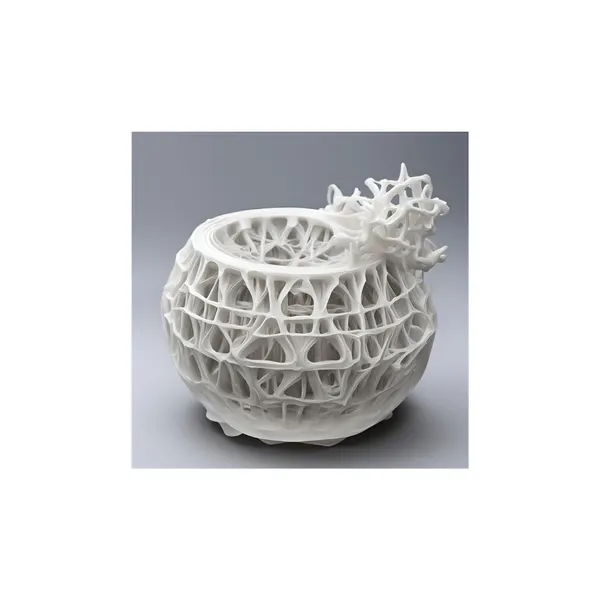
The world of manufacturing has seen many technological advancements in recent years. Of these advancements, one that has revolutionized the industry is 3D printing. It is a process that allows for the creation of physical objects from digital files. This technology has completely changed the way manufacturers approach their work, leading to several benefits for the industry. Here are some of the most significant advantages of 3D printing in manufacturing.
Speed and Efficiency
One of the major advantages of 3D printing is its speed and efficiency. With traditional manufacturing methods, creating a prototype or even a small run of products can take weeks or even months. 3D printing, on the other hand, can produce parts within hours, leading to rapid prototyping and an increase in productivity. Additionally, it can significantly reduce the number of steps required to create a product, which results in a quicker production cycle and reduced lead times.
Cost Savings
Another key benefit of 3D printing is cost savings. Traditional manufacturing processes require a significant investment in tooling and equipment, with costs that can run into the millions of dollars. With 3D printing, the need for expensive tooling is minimized as the parts are created directly from the digital files. The cost of manufacturing is reduced as manufacturers can create and test prototypes quickly and efficiently. This puts smaller businesses on a more level playing field with larger organizations, as they can develop and manufacture parts at a fraction of the cost.
Customization
3D printing allows manufacturers to customize products for individual customers or specific markets. By altering the digital design file, the printer can quickly produce custom parts with little additional cost. This technology has revolutionized the medical industry, where customized medical implants can be produced for patients with unique medical requirements. It has also been used in the aerospace industry to produce parts for satellites and spacecraft that are tailor-made for specific missions.
Reduced Waste
Traditional manufacturing processes often generate significant waste, whether it’s from material scraps, tooling, or packaging. 3D printing reduces this waste by only using the exact amount of material required to produce the part. Moreover, the raw materials needed for 3D printing are often readily available, easily recyclable, and biodegradable, thus reducing environmental impact.
Improved Design
3D printing allows manufacturers to test and modify designs quickly and easily. Design flaws that would normally go unnoticed until after the product’s completion can now be identified and corrected early in the process. This results in improved product quality, lower costs, and fewer recalls.
Final Thoughts
3D printing has transformed the manufacturing industry, offering unparalleled speed, efficiency, and cost savings. It enables manufacturers to produce customized parts quickly, reduce waste, and improve the final product’s quality. As the technology continues to evolve, we can expect to see even more benefits, making 3D printing an essential tool for manufacturers around the world.