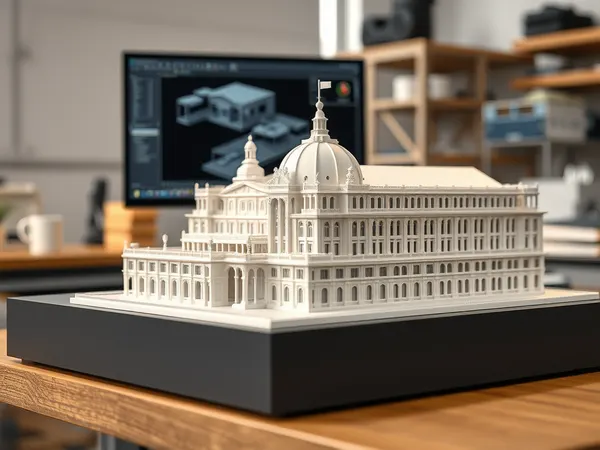
Additive manufacturing, also known as 3D printing, has emerged as a groundbreaking technology that has revolutionized the manufacturing industry. It allows for the creation of intricate and complex designs through the layer-by-layer addition of material, enabling the production of customized and cost-effective products. Among the various 3D printing technologies available, Selective Laser Sintering (SLS) stands out as one of the most promising and versatile techniques.
So, what exactly is SLS? Developed in the mid-1980s by Dr. Carl Deckard, SLS is a powder-based 3D printing process that utilizes a high-power laser to selectively fuse powdered materials into solid objects. The process occurs in a build chamber where a thin layer of the powdered material is applied to a build platform. The laser then precisely traces the cross-sectional shape of the object, sintering or melting the powder particles together, layer by layer, creating a solid structure. This is the fundamental process behind selective-laser-sintering.
One of the major advantages of SLS is its ability to work with a wide range of materials. Unlike other 3D printing processes, SLS is not limited to specific thermoplastics or photopolymers. Instead, it can utilize an array of materials such as Nylon, TPU (thermoplastic polyurethane), metals, ceramics, and even composite materials. This versatility allows for the production of objects with varying mechanical, thermal, and chemical properties, making SLSselective laser sintering ideal for a myriad of applications across industries.
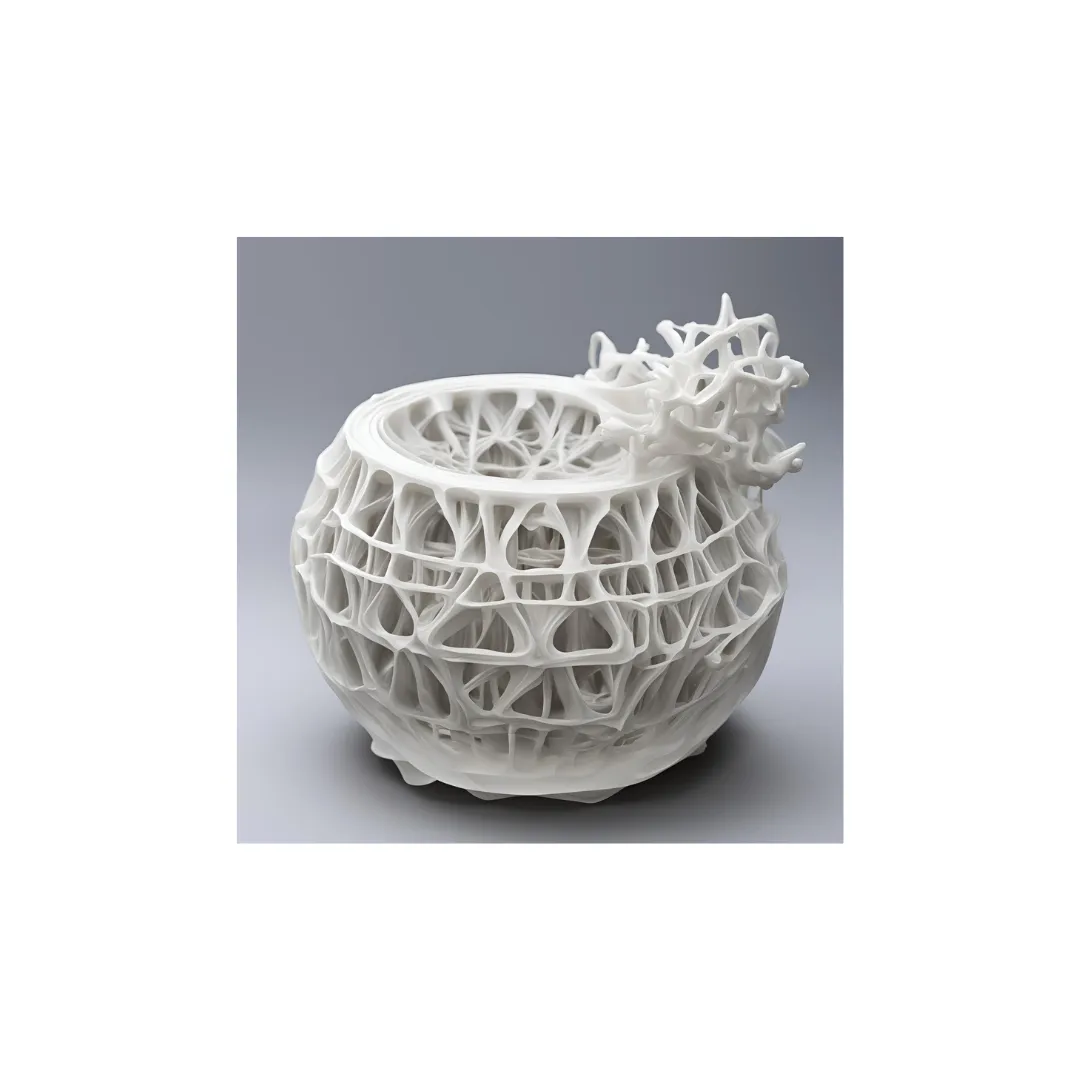
Another notable advantage of SLS is its ability to produce complex geometries and intricate designs with ease. As the laser selectively fuses the powder particles, it offers superior design freedom compared to traditional manufacturing methods. This means that SLS can create highly detailed and intricate components that would be impossible or highly challenging to manufacture using conventional techniques. From complex internal structures to overhangs and undercuts, SLS offers designers and engineers unparalleled freedom to create innovative products, thanks to selective-laser-sintering.
Furthermore, SLS eliminates the need for support structures during the printing process. Unlike other 3D printing technologies such as Fused Deposition Modeling (FDM), where additional supports are often required to prevent the collapsing or warping of overhanging features, SLS utilizes unsintered powder as a self-supporting structure. This not only saves time and material but also simplifies post-processing efforts. Once the printing is complete, the object can be easily removed from the surrounding unsintered powder, reducing the need for manual support removal, which highlights the efficiency of selective laser sintering.
SLS also excels in producing functional prototypes and end-use parts with exceptional mechanical properties. The sintered particles create strong interparticle bonds, resulting in robust and durable parts. Additionally, the high energy densities achieved during the sintering process promote the densification of the material, leading to components with excellent mechanical strength. These characteristics make SLS components suitable for a range of demanding applications, including aerospace, automotive, healthcare, and consumer goods, due to selective-laser-sintering benefits.
Despite its numerous advantages, SLS does have some limitations. One key constraint is the post-processing requirements. The printed objects often require additional steps such as sanding, polishing, or even infiltrating with resins to achieve the desired surface finish. Additionally, due to the high-energy laser involved in the process, SLS is generally confined to industrial-scale machines, limiting its accessibility for small businesses or individual hobbyists interested in selective laser sintering technology.
Nevertheless, the continuous advancements in SLS technology are addressing these limitations. Researchers are exploring new materials, including biodegradable polymers, metal alloys, and composites, expanding the capabilities and applications of SLS. Efforts are also underway to develop more compact, affordable desktop SLS printers, making this technologyselective-laser-sintering more accessible to a wider range of users.
Selective Laser Sintering has undoubtedly emerged as a key player in the additive manufacturing landscape. With its ability to fabricate complex designs, utilize a diverse range of materials, and produce functional parts with exceptional mechanical properties, SLSselective laser sintering offers tremendous potential across a wide range of industries. As the technology continues to evolve and become more accessible, we can expect to see even greater innovation and adoption of SLS in the future, revolutionizing the way products are designed, manufactured, and utilized.